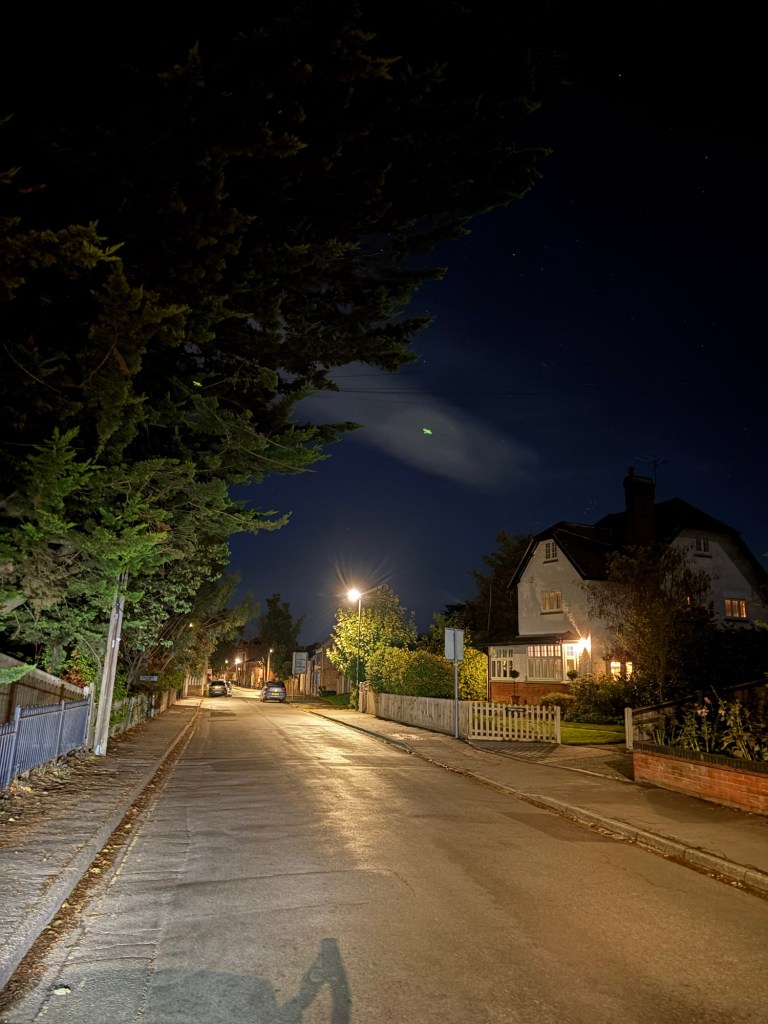
After a couple of rest days, due in part to being away for a few days, I was back running today.
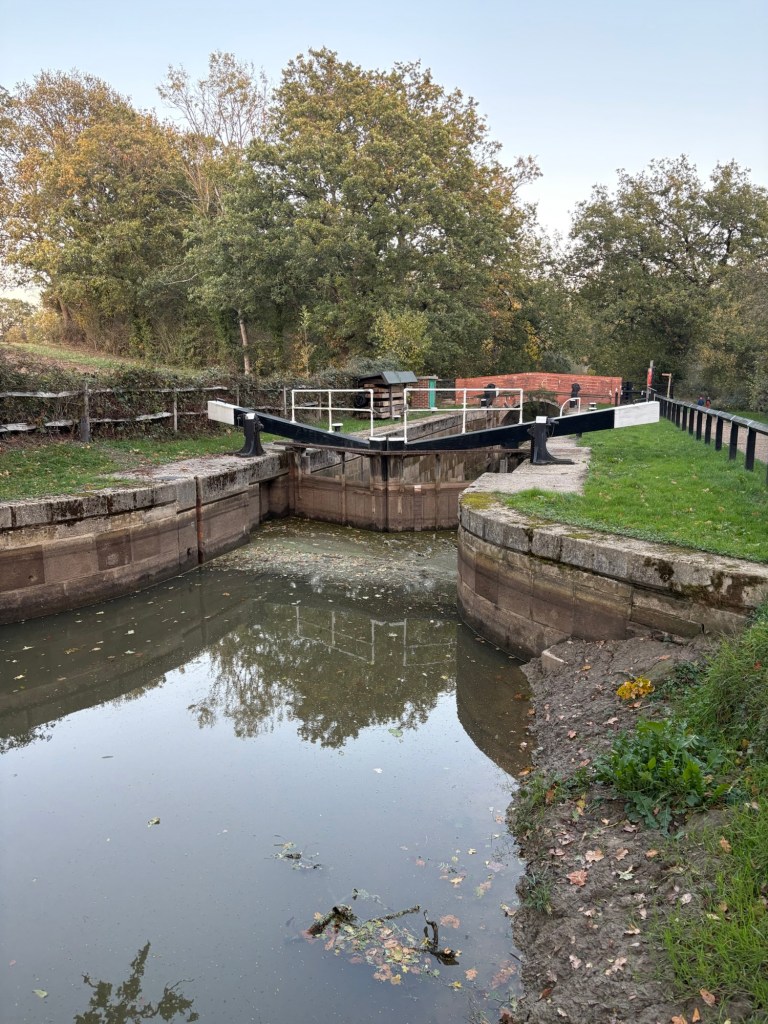
Our cottage is situated next to a canal, so I ran for a bit along it, then ran back.
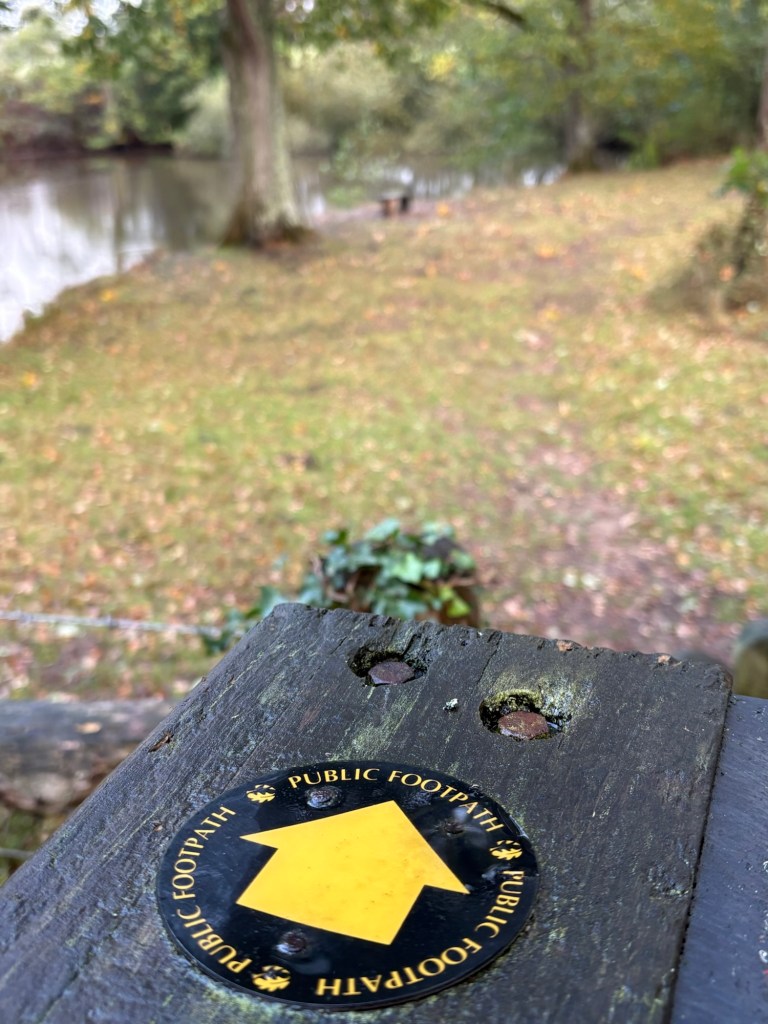
Just for general wonderings…
After a couple of rest days, due in part to being away for a few days, I was back running today.
Our cottage is situated next to a canal, so I ran for a bit along it, then ran back.
We’re away for a few days.
Walked to the pub along the canal.
The Valley. Charlton 1 – Norwich 3.

As for ‘Fitter October’: rest day.
‘Fitter October’ still going strong – day 22 – Storm Austin forced me into the garage for a treadmill run: 40min.
It was also an opportunity to listen to the Charlton Live Podcast previewing the Charlton vs Norwich game tomorrow.
Picture of the day could, and should, have been more interesting than the actual picture, but completely forgot at all other chances.
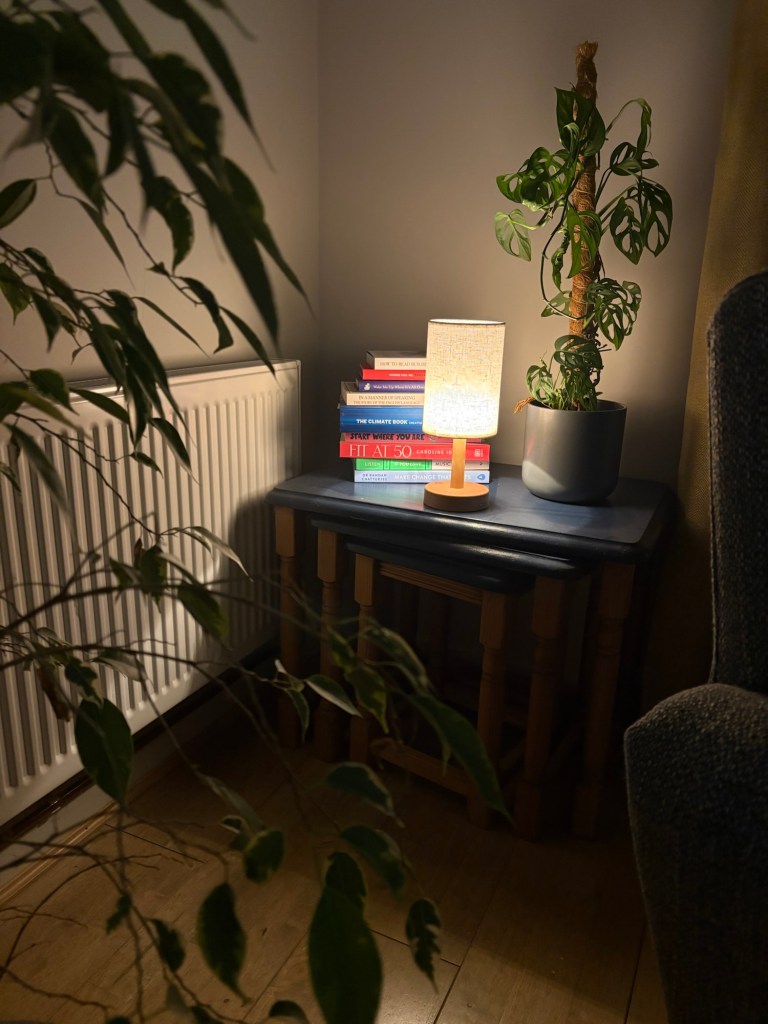
New mood lighting in the living room.

‘Turtles All The Way Down’ by John Green
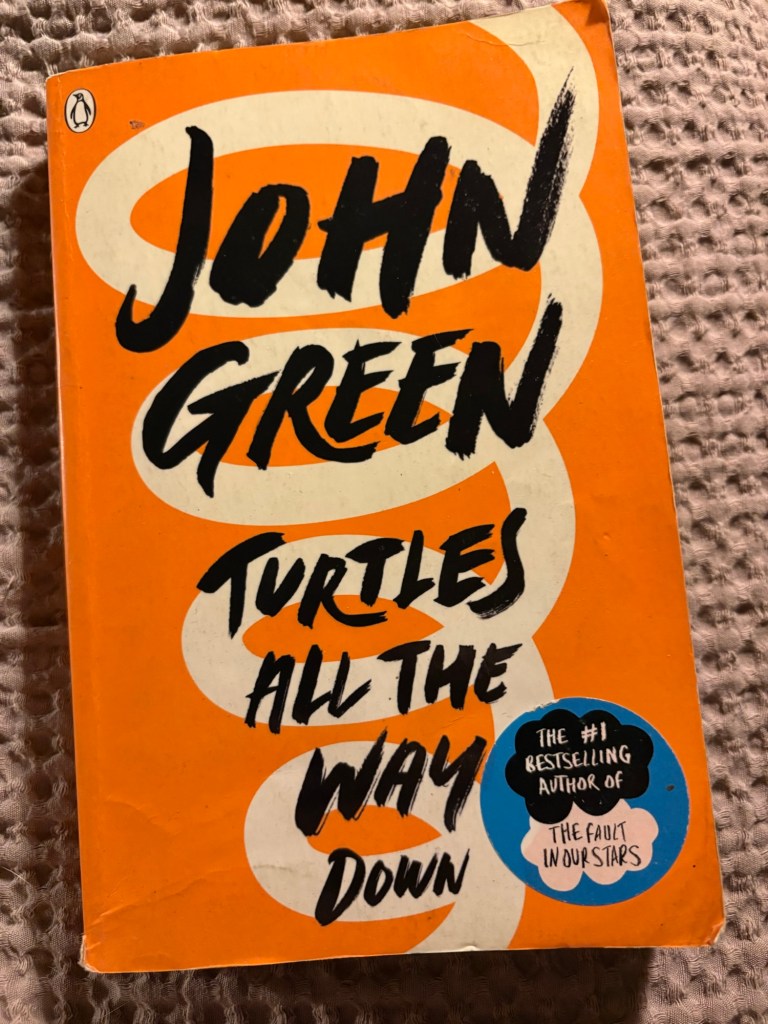
Teenage Fiction.
The blurb says the book is about a sixteen-year-old girl called Aza who is trying to track down a fugitive billionaire. Sounds like teenage crime fiction right? But it is nothing of the sort, in a good way. It’s all about Aza and her compulsive thoughts and how she overcomes them.
Well worth a read.

October’s daily exercise is still going. Tonight: a very gentle club run around Beccles.